
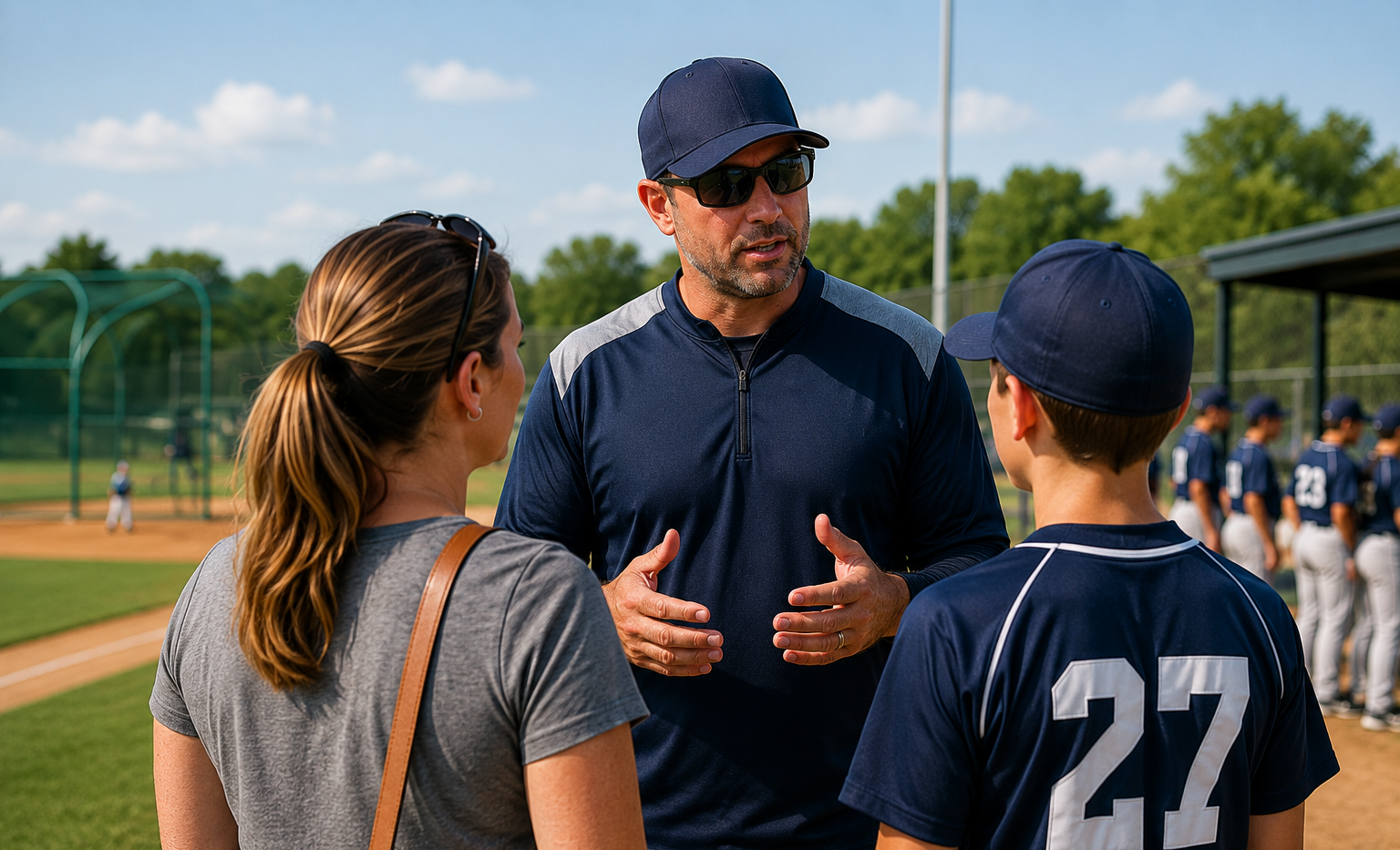
The Most Important Questions to Ask Before Choosing a Travel Baseball or Softball Organization
Choosing a travel baseball or softball organization can feel overwhelming. These travel baseball tryout questions will help parents evaluate coaching, player development, costs, and overall fit before making a commitment.
Every travel baseball and softball organization has its own sales pitch. Some emphasize championships. Others focus on player development, college recruiting, facilities, or tournament schedules. While many organizations genuinely provide excellent opportunities, not every organization—or every team within an organization—is the right fit for every athlete.
One of the biggest mistakes parents make is accepting the first offer they receive out of fear that another opportunity may never come. That pressure is understandable, but it can lead to a decision you’ll regret later.
Whenever possible, have your athlete attend multiple tryouts. Compare organizations side by side and create a simple pros-and-cons list for each one. Most organizations provide a deadline for accepting an offer because they need to finalize rosters, but taking a little time to evaluate your options can make a tremendous difference over the course of the season.
💡 Know The Pitch Tip
Don’t accept the first offer simply because it’s the first offer.
Whenever possible, attend multiple tryouts before making a decision. Comparing organizations side by side—and asking the right questions—will help you choose the program that best fits your athlete’s goals, personality, and long-term development.
⚾ Questions to Ask About the Team
Every team within an organization can be very different. Be sure you’re asking about the specific team your athlete may join.
What is the team’s primary goal?
Is the focus on player development, winning tournaments, preparing athletes for high school, or helping players pursue college opportunities?
How many teams will there be at this age level?
Some organizations field three or four teams within the same age group.
If that’s the case, ask:
- Where do you see my athlete fitting?
- How are players divided among the teams?
- Are the strongest players placed on one team, or are they spread across multiple teams?
These answers can provide valuable insight into both competition level and expected development opportunities.
What is the expected roster size?
Roster size directly impacts playing time.
A roster of 11–12 players is very different from one with 15–16 players.
How is playing time determined?
Every organization has a different philosophy.
Ask whether playing time is:
- Equal
- Earned
- Based on attendance
- Based on performance
- Different during league play versus tournaments
Understanding expectations ahead of time helps avoid surprises later.
Does the team use guest players?
Some organizations regularly bring in guest players for tournaments.
While guest players can strengthen a team, they may also reduce opportunities for existing players if used frequently.
Ask how often guest players are used and under what circumstances.
👥 Questions About the Coaching Staff
The coach often has more influence on your child’s experience than the organization itself.
Who will be coaching this team?
Some organizations assign coaches after fall evaluations.
If coaches haven’t been finalized, ask about every potential coach who could lead your athlete’s team.
What is each coach’s background?
Ask about:
- Coaching experience
- Playing experience
- Certifications
- Years coaching youth athletes
- Development philosophy
Are college players serving as coaches?
Former or current college players can bring valuable knowledge.
However, playing at a high level doesn’t automatically translate into being an effective teacher.
Ask about their coaching experience and how they work with younger athletes.
Is the coach also a parent on the team?
This isn’t necessarily a negative.
Many outstanding youth coaches are parents.
However, it’s worth asking how playing time, positions, and team decisions are handled to ensure fairness and clear communication.
💰 Questions About Cost & Financial Commitment
Travel sports can become expensive quickly.
Before committing, ask for a complete breakdown of costs.
What’s included in the annual fee?
Does the fee include:
- Uniforms
- Equipment bags
- Practice jerseys
- Facility memberships
Is offseason training included?
If so:
- Where is it held?
- How often?
- Is the facility conveniently located?
Are private lessons included?
Some organizations include lessons while others offer them separately.
How many tournaments are planned?
Ask:
- How many events?
- Local or travel tournaments?
- Overnight trips?
- Expected hotel costs?
Are fundraising opportunities available?
Some organizations help offset costs through fundraising while others expect families to cover all expenses themselves.
📅 Questions About Schedule & Time Commitment
Travel sports impact the entire family’s schedule.
Make sure you understand the expectations before committing.
What is the practice schedule?
Ask about:
- Days per week
- Practice length
- Indoor versus outdoor facilities
How many games and tournaments are expected?
Knowing the approximate schedule helps families plan vacations, school activities, and other commitments.
Can athletes play other sports?
Some organizations fully support multi-sport athletes.
Others expect year-round participation.
Be sure their expectations align with your family’s priorities.
Many coaches encourage young athletes to participate in multiple sports, especially during their younger years. Organizations like USA Baseball have also emphasized the long-term benefits of athletic development over early specialization.
What are you committing to?
This is one of the most overlooked questions.
Some commitments cover only the fall season.
Others include both fall and summer.
Some organizations reserve the right to adjust rosters between seasons.
Knowing exactly what you’re committing to helps avoid misunderstandings later.
🚩 Red Flags During Travel Ball Tryouts
Something like:
- Coaches can’t clearly answer questions.
- Pressure to commit immediately.
- Vague answers about playing time.
- No written expectations.
- Speaking negatively about other organizations.
- Promises that sound too good to be true.
💡 Final Thoughts
Choosing a travel baseball or softball organization is about much more than making a roster.
The right fit depends on your athlete’s goals, your family’s priorities, coaching philosophy, financial commitment, and the overall experience the organization provides.
Remember, you are interviewing the organization just as much as they are evaluating your athlete.
Take your time, ask thoughtful questions, compare your options, and choose the organization that gives your child the best opportunity to grow—not just as a player, but as a person.
Looking for Organizations?
Browse our Kansas City Organization Directory to compare programs and read parent reviews before your next tryout.
About the Author
Peggy Smith is a former travel softball national champion, high school state champion, former Division I softball player, middle school English teacher, youth coach, and travel sports parent. She has spent decades involved in youth athletics as a player, coach, educator, and parent. Peggy has coached both baseball and softball—including coaching her own son and daughter—and is passionate about helping families navigate youth sports while emphasizing long-term development, confidence, and enjoyment of the game.