
Should Kids Specialize in One Sport? The Pros and Cons of Early Sports Specialization
Youth sports specialization has become one of the biggest decisions facing parents today. If you’re the parent of a young athlete, you’ve probably asked yourself this question at some point: Should my child focus on one sport, or continue playing multiple sports? As youth sports specialization becomes increasingly common, more families are being forced to make that decision earlier than ever before.
A generation ago, the answer seemed simple. Most kids played whatever sport was in season. Today, many athletes are specializing at younger ages than ever before, often because they feel pressure to keep up with their peers.
“We have to let kids be kids. Playing multiple sports isn’t just about fun; it’s scientifically proven to build overall athleticism and prevent burnout.” – John Smoltz
Many coaches, professional athletes, trainers, and sports medicine doctors agree that young athletes should not specialize in a single sport at an early age. Yet despite this common advice, more and more children are focusing on one sport year-round, often beginning at surprisingly young ages.
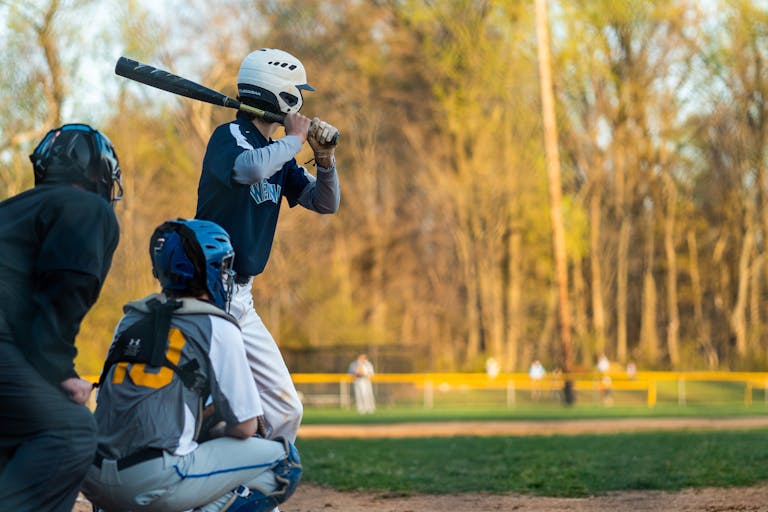
There was a time when it was normal for kids to play baseball in the spring, football or soccer in the fall, and basketball during the winter. Playing multiple sports helped young athletes develop different skills, experience different coaching styles, and simply enjoy being kids. Today, however, youth sports have become increasingly specialized, and many families feel pressure to choose a primary sport much earlier than previous generations.
How Youth Sports Have Changed
As travel sports have grown in popularity, organizations have expanded and opportunities for participation have increased. This has been positive in many ways, giving more athletes access to competitive teams, quality coaching, and advanced training. However, it has also increased the time and financial commitments required from families. What was once a seasonal activity has gradually evolved into a year-round commitment for many athletes.
In many sports, players are now expected to attend offseason practices, participate in strength and conditioning programs, take private lessons, and play in tournaments throughout the year. While these opportunities can help athletes improve, they also make it more difficult for young athletes to participate in multiple sports.
Why Families Feel Pressure to Specialize
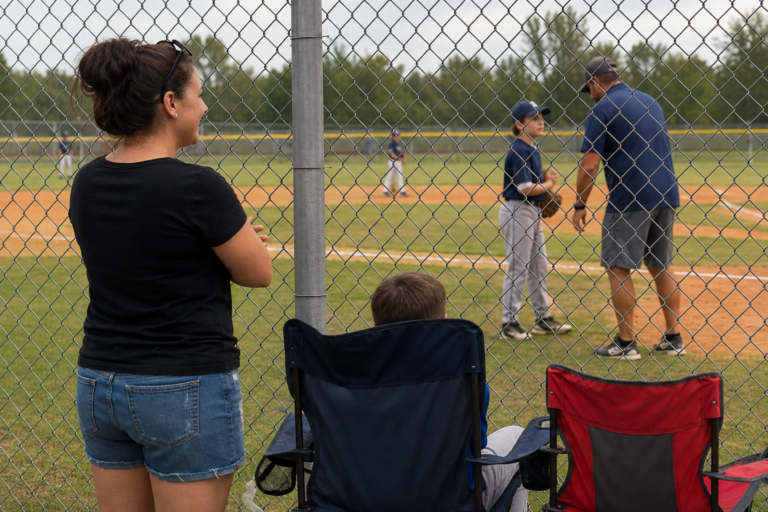
Even though most experts recommend against early specialization, parents and players often feel pressure to focus on a single sport. Some worry that taking a season off will cause them to fall behind their peers. Others fear losing playing time, missing out on opportunities, or falling off a coach’s radar.
Another factor is the dream of earning a college scholarship. While athletic scholarships certainly exist, they are far more competitive and less common than many families realize. Unfortunately, the pursuit of future opportunities can sometimes create pressure that outweighs what is best for the athlete in the present.
Social media has also played a role. Parents and athletes are constantly exposed to videos of elite players, tournament championships, recruiting announcements, and stories of athletic success. It can create the impression that every athlete needs to train year-round in order to keep up, even when that may not be the case.
Our Family’s Experience
We experienced this firsthand with our own son.
At one point, he wanted to play on a more competitive soccer team. He made the travel team, but we were informed that if there was ever a conflict between soccer and baseball, soccer would have to take priority. The problem was that soccer wasn’t his favorite sport—baseball was.
As a result, he continued playing recreational soccer while focusing on baseball. Eventually, he stopped playing soccer altogether. Looking back, it felt unfortunate that a young athlete had to choose between two sports he enjoyed simply because of scheduling expectations and organizational policies.
Even if we could have made both sports work, there was another challenge: time and money. Families participating in travel sports know how quickly the costs add up. Tournament fees, uniforms, equipment, lessons, training programs, and travel expenses can make it difficult to justify participating in multiple travel sports simultaneously. For many families, specialization becomes less about preference and more about practicality.
The Benefits of Playing Multiple Sports
One of the strongest arguments against early specialization is that different sports develop different athletic skills. Basketball helps improve agility, coordination, and decision-making. Soccer develops endurance, balance, and footwork. Football builds strength, toughness, and explosiveness. Baseball and softball require hand-eye coordination, reaction time, and mental focus.
Athletes who participate in multiple sports often become more complete athletes because they are constantly being challenged in different ways. They learn new skills, adapt to different coaching styles, and compete alongside different teammates. Many coaches believe these experiences contribute to long-term athletic development.
Playing multiple sports may also help reduce the risk of burnout. Young athletes who spend every season playing the same sport can eventually lose some of the enjoyment that drew them to it in the first place. A change of pace can keep sports fun while allowing athletes to return to their primary sport refreshed and motivated.
Another concern is overuse injuries. Repeating the same movements throughout the year can place stress on developing muscles, tendons, and joints. Pitchers who throw year-round, softball players who catch hundreds of innings, or soccer players who rarely take a break may be more susceptible to overuse injuries than athletes who participate in multiple sports and use their bodies in different ways.
When Specialization Might Make Sense
That being said, specialization is not always a bad thing.
Some athletes genuinely love a particular sport and want to devote most of their time to it. In those cases, additional practice, coaching, and competition can help accelerate development. There are also sports where athletes tend to specialize earlier due to the nature of the sport and the level of competition.
The key question is whether specialization is being driven by the athlete’s passion or by outside pressure. When the athlete is making the decision because they truly love the sport, specialization can be a positive experience. When the decision is based primarily on fear of falling behind, the outcome may be very different.
Why Choosing the Right Team Matters
Not all travel organizations provide the same experience.
Many parents assume that all travel teams offer better competition, coaching, and development than recreational leagues, but that is not always the case. We have seen travel teams that were less organized and less competitive than some recreational programs. We have also seen excellent organizations that focus on player development, communication, and creating positive experiences for families.
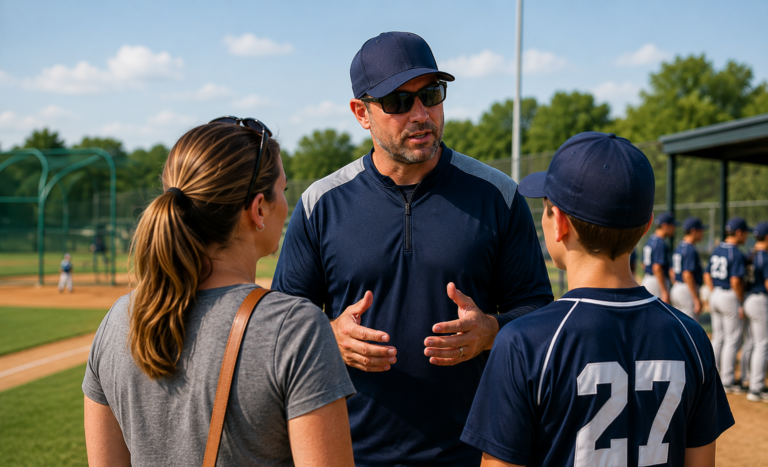
This is why doing your research is so important. Parents should not only evaluate the organization but also understand which team their child will be playing on and who their coach will be. Experiences can vary significantly within the same organization. A great coach can make a tremendous difference in a child’s development and enjoyment of the game.
Finding the Right Balance
There is no one-size-fits-all answer when it comes to youth sports specialization. Every athlete is different, every family has different goals, and every situation is unique. Some athletes thrive as multi-sport competitors throughout high school, while others eventually choose to focus on a single sport. Neither path is necessarily wrong.
The important thing is that the decision is made for the right reasons. Parents should ask themselves whether their child is still enjoying the sport, continuing to develop, and maintaining a healthy balance in life. Youth sports should help children build confidence, character, friendships, and a lifelong love of competition and physical activity.
Sometimes the best thing a young athlete can do is simply play, compete, and enjoy being a kid.
Related Reading
- Know Your Kid: Finding the Right Team Fit
- How Parents Can Support a Young Hitter’s Development
- Hidden Costs of Travel Baseball
About the Author
Peggy Smith is a former travel softball national champion, high school state champion, former Division I softball player, middle school English teacher, youth coach, and travel sports parent. She has spent decades involved in youth athletics as a player, coach, educator, and parent. Peggy has coached both baseball and softball—including coaching her own son and daughter—and is passionate about helping families navigate youth sports while emphasizing long-term development, confidence, and enjoyment of the game.