
How Much Does Travel Baseball Really Cost? A Parent’s Guide to Budgeting for Travel Ball
One of the first questions families ask when considering travel baseball or softball is how much travel baseball really costs.
The answer depends on the organization, age level, tournament schedule, travel requirements, and your family’s goals. Some families spend a few thousand dollars per year, while others spend significantly more.
The challenge is that many of the costs aren’t obvious when your child first makes a team. Team fees are only part of the equation. Equipment, travel, hotels, tournament gate fees, lessons, and other expenses can add up quickly.
If you’re considering travel baseball or softball, here’s what parents should know before committing.
Quick Take
Most travel baseball families spend between $2,500 and $12,000+ per year, depending on competition level, travel requirements, lessons, and additional training.
Hidden costs such as tournament gate fees, hotel stays, pet boarding, and time away from work can significantly increase the total.
Why Travel Baseball Costs Are Higher Than Recreational Baseball
Travel baseball and softball often involve:
- More practices
- More games
- Tournament competition
- Indoor training opportunities
- Year-round development programs
- Additional travel requirements
While these opportunities can provide valuable experiences and development opportunities, they also increase the overall financial commitment for families.
Every organization is different, and costs can vary dramatically based on age level, competition level, travel requirements, and tournament schedules.
Team Fees
For most families, team fees are the largest expense.
These fees may help cover:
- Tournament registrations
- Practice facilities
- Indoor training facilities
- Insurance
- Administrative costs
- Team equipment
- Organization overhead
Depending on the organization and age level, annual team fees often range from:
Developmental / Lower-Level Travel Teams
$500–$2,000
Competitive Regional Teams
$2,000–$5,000
Elite National Programs
$5,000+
Always ask exactly what is included before accepting a roster spot.
Uniforms and Apparel
Most travel organizations require players to purchase uniforms and team apparel.
Typical expenses may include:
- Jerseys
- Pants
- Hats
- Bat bags
- Practice shirts
- Jackets
- Hoodies
Many families spend:
$200–$800+ per season
Some organizations require new uniforms every year.
Equipment Costs
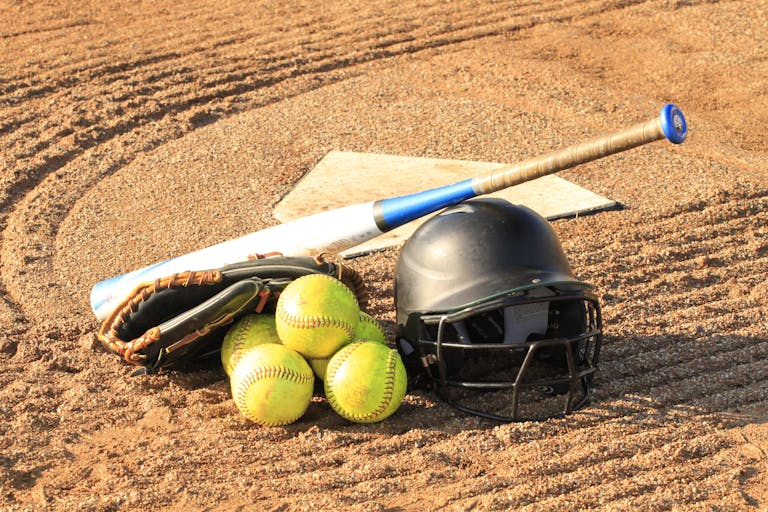
Travel baseball often means increased wear and tear on equipment.
Typical purchases include:
- Bats
- Gloves
- Cleats
- Batting gloves
- Helmets
- Catcher’s gear
- Protective equipment
Annual equipment expenses often range from:
$200–$1,500+
As players get older, equipment costs can increase substantially.
Tournament Admission Fees (Often Overlooked)
This is one expense many families don’t think about when evaluating travel baseball costs.
Many tournament complexes charge admission fees for parents and spectators.
These fees may be:
- Daily passes
- Weekend passes
- Per-person admission fees
When our family was involved in travel baseball, tournament admission often cost approximately $50 per weekend for two parents.
Over the course of a season, those fees can add up quickly:
| Number of Tournaments | Estimated Gate Fees |
|---|---|
| 8 Tournaments | $400 |
| 10 Tournaments | $500 |
| 12 Tournaments | $600 |
Because these costs are typically paid directly to tournament operators rather than the organization, they’re easy to overlook when budgeting.
Travel Expenses
Travel requirements vary significantly between organizations.
Potential expenses include:
- Gas
- Hotels
- Meals
- Parking
- Airfare for national events
A local team that primarily stays within the Kansas City area may have relatively modest travel expenses.
Teams competing throughout the Midwest or nationally can require substantially larger travel budgets.
Private Lessons and Additional Training
Many families choose to supplement team activities with:
- Hitting lessons
- Pitching instruction
- Catching lessons
- Speed and agility training
- Strength and conditioning programs
These expenses are optional but common.
Typical rates include:
- Individual lessons: $40–$100+ per session
- Small-group instruction: $20–$60 per session
Indoor Training and Offseason Programs
Many organizations offer:
- Winter workouts
- Camps
- Clinics
- Strength training
- Specialized development programs
Some programs include these opportunities within team fees.
Others charge separately.
Always ask what offseason development opportunities are included and what costs extra.
Hidden Costs Parents Often Forget
When families first evaluate travel baseball costs, they often focus on team fees and uniforms.
However, some of the biggest surprises come from smaller expenses that accumulate throughout the season.
Common hidden costs include:
- Tournament gate fees
- Team fundraisers
- Hotel stays
- Team dinners
- Replacing broken bats or equipment
- Extra uniforms and apparel
- Rain makeup weekends
- Optional team gear
- End-of-season events
- Additional tournament opportunities
- Pet boarding or pet-sitting expenses during travel weekends
- Time away from work or use of vacation/PTO for weekday tournaments
- Sibling activities that may be missed due to tournament schedules
Some tournaments begin on Thursday or Friday, requiring parents to adjust work schedules. Families with flexible jobs may be able to work remotely or use paid time off, while others may need to take unpaid leave. Before committing to a travel team, it’s worth considering how tournament schedules fit with your work responsibilities and whether missed work could create additional financial costs.
Family time can also be impacted. Some families travel together, increasing expenses, while others divide responsibilities between tournaments and activities at home.
Individually, these expenses may not seem significant. Over the course of a season, however, they can add hundreds or even thousands of dollars to a family’s overall travel baseball budget.
Sample Annual Travel Baseball Budgets
Budget-Conscious Travel Team
- Team fees: $1,000
- Uniforms: $300
- Equipment: $300
- Gate fees: $400
- Travel expenses: $500
Estimated Annual Cost: $2,500
Competitive Regional Team
- Team fees: $3,000
- Uniforms: $500
- Equipment: $500
- Gate fees: $500
- Travel expenses: $1,500
- Optional lessons: $1,000
Estimated Annual Cost: $7,000
Elite Travel Program
- Team fees: $5,000+
- Uniforms: $800
- Equipment: $800
- Gate fees: $600
- Travel expenses: $3,000+
- Additional training and lessons: $2,000+
Estimated Annual Cost: $12,000+
Every organization is different, but these examples demonstrate how quickly costs can increase.
Questions Parents Should Ask Before Joining a Team
Before accepting a roster spot, consider asking:
- What are the total annual team fees?
- What costs are not included?
- How many tournaments are scheduled?
- How much travel is expected?
- Are hotels required?
- Is indoor training included?
- Are uniforms purchased annually?
- Are fundraising opportunities available?
- Are payment plans available?
- What additional costs should families expect?
Organizations that communicate costs clearly often help families avoid surprises later.
Ways to Reduce Travel Baseball Costs
Families may be able to reduce expenses by:
- Purchasing quality used equipment
- Sharing hotel rooms with teammates
- Carpooling to tournaments
- Participating in fundraising opportunities
- Borrowing or selling equipment as players grow
- Comparing organizations carefully before committing
The most expensive organization is not always the best organization for every player.
The Know The Pitch Take
Travel baseball and softball can be an incredible experience for families, but it’s important to understand the full financial commitment before joining a team.
The right organization isn’t necessarily the most expensive one—or the cheapest. The best fit is often the organization that aligns with your player’s goals, development needs, family budget, and overall family priorities. Every family should consider their child’s goals, skill level, personality, and long-term development needs when evaluating options.
Ask questions. Compare organizations. Understand the costs. Most importantly, find an environment where your child can enjoy the game and continue developing as a player and teammate.
A well-informed decision today can lead to a much better experience for both players and parents throughout the season.
Continue Your Research
Looking for travel baseball and softball organizations in the Kansas City area?
Browse the Know The Pitch Organization Directory to compare organizations, facilities, competition levels, and parent reviews before making your decision.
Continue Your Research
Before choosing a travel baseball or softball organization, be sure to compare coaching philosophies, competition levels, facilities, and parent experiences.