
Beyond Hits and Misses: A Parent’s Role in a Hitter’s Growth
Every ballplayer—whether they’re swinging off a tee or facing a 90-mph fastball in the big leagues—dreams of getting a hit every time they step into the batter’s box. But the reality of baseball tells a different story. Even the best Major League players only get a hit in about 24% of their at-bats. That’s a .240 batting average. Not exactly perfect—but that’s what makes this game so uniquely humbling, challenging, and beautiful.
The Mental Game at the Plate
One of the most frustrating things to watch as a parent or coach is a young player letting strike after strike go by without swinging. It’s easy to want to shout, “Just swing the bat!” or “We don’t care if you strike out, just take a hack!”
But what looks like hesitation isn’t usually a physical issue—it’s mental. When young hitters freeze at the plate, it’s often because they’re battling a lack of confidence. They might be afraid to fail. Some kids are even hoping for a walk to avoid the pressure of putting the ball in play.
This is completely normal. And it’s exactly why building confidence is more important than counting hits.
Encourage your child to swing anytime they feel the pitch is a strike—regardless of the outcome. Making the decision to swing helps train their brain to want to hit. Over time, that mindset builds muscle memory, sharpens instincts, and—eventually—produces results.
Hitting Progress Isn’t Linear
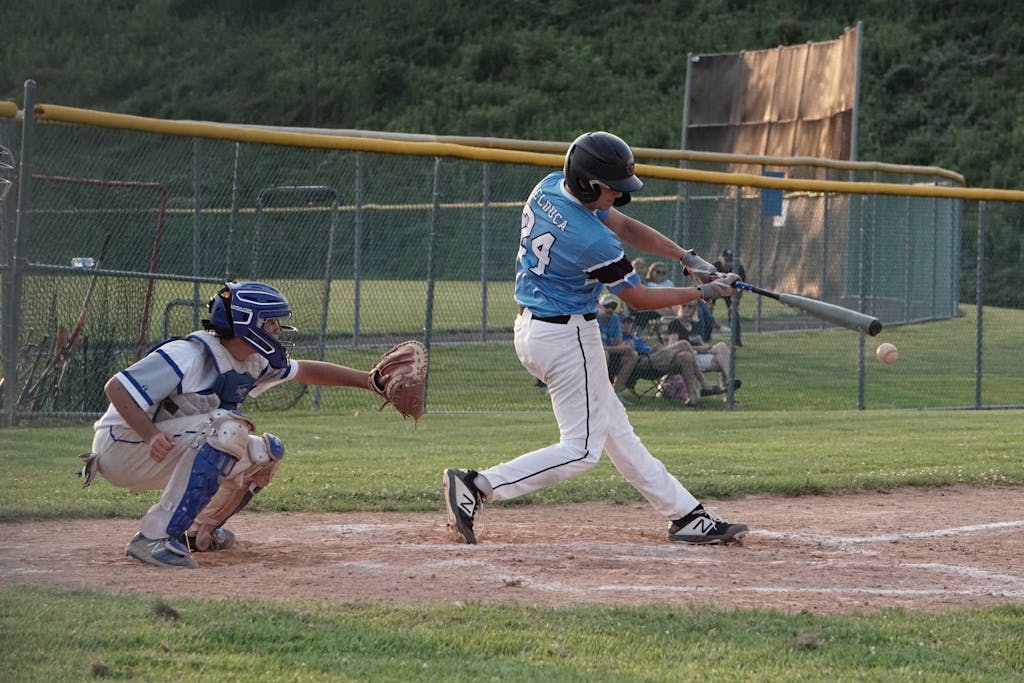
The road to consistent hitting is anything but straight. Young players spend hours in the cage and on the field, working on mechanics, timing, pitch recognition, and mental toughness. Improvement comes, but not all at once. There will be slumps. There will be streaks. That’s the process.
And during games? That process needs space to breathe.
What Parents Can Do: Trust the Process
As parents, we want to help. We want to see our kids succeed—especially at the plate, where all eyes are on them. But one of the most impactful things you can do during a game?
Stay quiet.
Let that sink in: Your silence is powerful.
Shouting instructions during an at-bat—even with the best intentions—can add pressure, split your player’s focus, and shake their confidence. They’re already trying to manage nerves, remember coaching cues, and focus on the pitcher. More voices from the stands don’t help—they distract.
Let the coaches coach. Let the lessons take root. Let your child play.
Be Their Steady Support
No one feels worse about a strikeout than the kid walking back to the dugout. That moment doesn’t need more pressure—it needs perspective. Your response can either deepen the disappointment or help soften the blow.
Instead of frustration, offer support:
✅ A smile.
✅ A thumbs-up.
✅ A quiet “You’ll get the next one.”
Those simple gestures reinforce what truly matters: effort, growth, and resilience.
Hits Come and Go. Confidence Lasts.
Success at the plate takes time—and every player, no matter how talented, goes through ups and downs. What separates the great ones isn’t just their swing; it’s their mindset, work ethic, and support system.
So the next time your player digs into the box, remember: they’ve put in the work. Trust their preparation. Trust their process. Trust their growth.
And most importantly—let them know you’re proud of them, hit or no hit.